Semi-permanent hair color does not fade on one universal timeline.
As a broad expectation, many semi-permanent colors last somewhere between a few washes and a few weeks. Some formulas and shades may fade within 4-12 shampoos; others can stay visible for 10-20 washes or longer, especially if the color is deeper, the hair is porous, or the aftercare routine is gentle.
That range can feel frustrating if you expect one exact number. Semi-permanent color is meant to be lower commitment, so the better question is not only "how long does it last?" It is "what makes it fade faster, and how can I plan for the fade?"
The Short Answer
Semi-permanent hair color usually lasts through multiple washes, then gradually softens instead of growing out with a hard root line.
Your result depends on:
- The shade depth
- Your starting hair color
- Hair porosity and condition
- How often you wash
- Water temperature
- Sun, heat styling, and swimming
- The formula's deposit level or Coverage setting
- Whether you refresh with color-depositing conditioner
Those factors work together, which is why two people can use the same semi-permanent shade and get a different fade story.
Why Some Shades Fade Faster Than Others
Not every color fades at the same speed.
Lighter and softer shades usually fade faster because there is less visible pigment. Pastel pink, soft peach, pale blue, and icy lavender can look beautiful, but they may need more frequent refreshes to stay obvious.
Deeper shades tend to last longer because they deposit more visible color. Cherry, plum, deep teal, cobalt, wine, and richer copper tones often stay noticeable for more washes, although they still fade gradually.
Starting Hair Color Changes What Fading Looks Like
Semi-permanent color deposits pigment. It does not lighten hair.
On light blonde, blonde, dark blonde, or light brown hair, many vivid shades can show more clearly. On hair darker than light brown, especially dark brown or black hair, lighter or highly saturated shades may look very subtle, muted, or visible mainly as a tint in strong light unless the hair has been pre-lightened first.
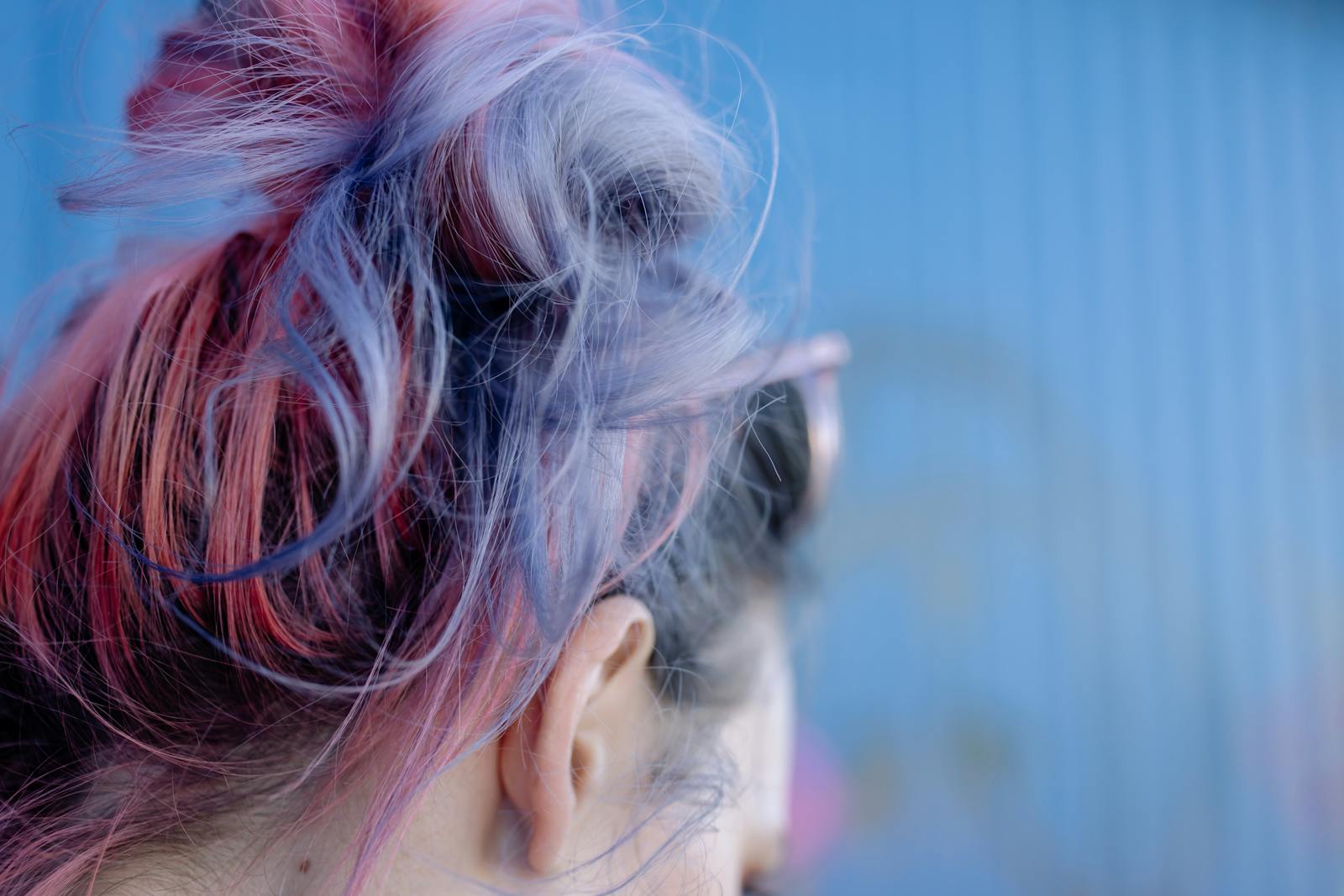
This is less about making color last "longer" and more about how the fade reads. A pastel on a light base may fade quickly because every small change is easy to see. A deeper shade on a darker base may seem to fade more softly because the shift is less obvious. On pre-lightened hair, leftover yellow or gold tones can also affect the fade direction, especially with cool colors.
The color underneath also matters. If the hair has a yellow or golden base, that base can slowly show through as vivid pigment fades. For example, blue on a yellow-toned bleached base can begin to read greener over time as the blue softens and the yellow underneath becomes more visible.
The takeaway: judge longevity by both time and appearance. What matters is not only when the pigment fades, but how the shade changes as your base begins to show through.
Hair Condition and Porosity Matter
Porosity is how easily your hair absorbs and releases moisture and pigment.
Higher-porosity hair may grab color quickly, which can make a shade look strong at first. It may also release pigment unevenly, especially if the hair is dry, damaged, or frequently heat-styled.
Lower-porosity hair may resist color more at first, especially with softer shades. That does not mean the color cannot work, but the result may be sheerer.
This is one reason a strand test is so useful. It helps you see not just the color result, but also whether your hair takes the pigment strongly, softly, or unevenly.
Washing Is Usually the Biggest Fade Trigger
Semi-permanent color fades shampoo by shampoo. The more often you wash, the faster you should expect color to soften.
To help your color last longer:
- Wash less often when your hair and scalp allow it.
- Use cool or lukewarm water instead of hot water.
- Choose color-safe hair care.
- Avoid heavy clarifying shampoos unless you are intentionally trying to fade color.
- Rinse gently instead of aggressively scrubbing colored sections.
If you have multi-color hair, rinse with extra care. High-contrast colors can bleed into each other if you treat the whole head like one color.
Heat, Sun, and Swimming Can Speed Up Fading
Color also fades outside the shower.
High heat styling, strong sun exposure, chlorine, salt water, and friction can all make semi-permanent color fade faster or shift tone. This matters most for vivid shades and pastels, where a small tone change is easy to notice.
If you are planning color for a trip, festival, Pride event, cosplay look, or photo day, color a little earlier than the event only if you know how your shade fades. If you do not know yet, plan a strand test and a refresh option.
What ColorBox's Coverage Choices Mean for Longevity
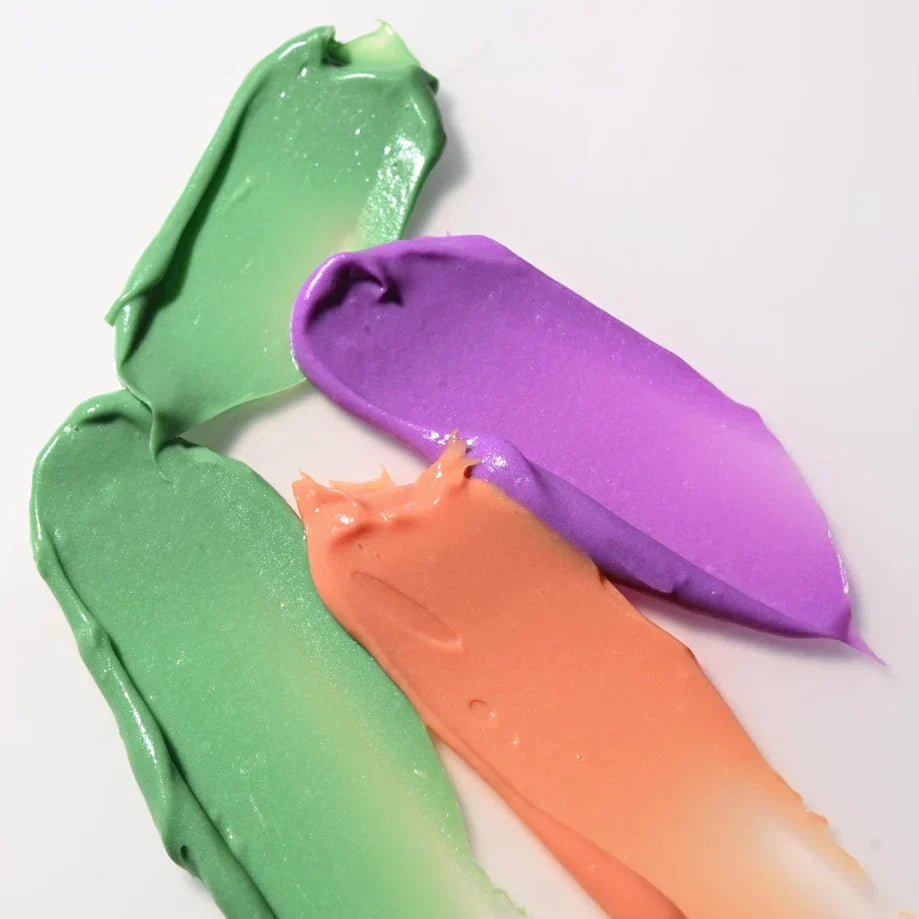
With ColorBox, shade longevity depends partly on the selected Coverage tag and the depth of the formula.
As a general expectation:
- Sheer and Light formulas tend to fade faster.
- Rich and Full Coverage formulas tend to last longer.
- Lighter shades usually need more maintenance.
- Deeper shades usually stay for more washes.
Coverage is not a way to force vivid color onto an unsuitable starting base. It is better understood as a way to explore sheerer or richer deposit within the same hue family, then choose the version that fits your hair base, your fade expectations, and how much maintenance you want.
For example, if you like a pink, copper, teal, or plum direction, ColorBox can help you explore that shade family with different coverage levels instead of treating the color as a single fixed bottle. You can choose a softer result when you want a lighter commitment, or a richer deposit when you want the color to stay more noticeable through more washes.
ColorBox also helps with the refresh cycle:
- Recreate a shade when it is time for a full refresh.
- Make smaller amounts for targeted touch-ups.
- Create a matching color-depositing conditioner from a saved formula.
- Adjust your next formula if you liked the fade but want it richer or softer.
The goal is not to make semi-permanent color permanent. The goal is to choose the starting point and refresh plan that make the fade feel easier to work with.
The Bottom Line
Semi-permanent hair color usually lasts for several washes to a few weeks, but the exact timeline depends on the shade, your starting hair color, hair condition, wash routine, and aftercare.
If you want longer-lasting color, choose a deeper shade, wash with cooler water, reduce shampoo frequency, and refresh with color-depositing conditioner when needed.
If you want a lighter, softer, lower-commitment result, expect a faster fade and plan your refresh around the moments when you want the color to look its best.
With semi-permanent color, fading is part of the experience. The shade may soften, shift, reveal more of your base, or move into a new tone you like in a different way. A good plan does not fight every stage of the fade; it helps you enjoy the color as it changes.